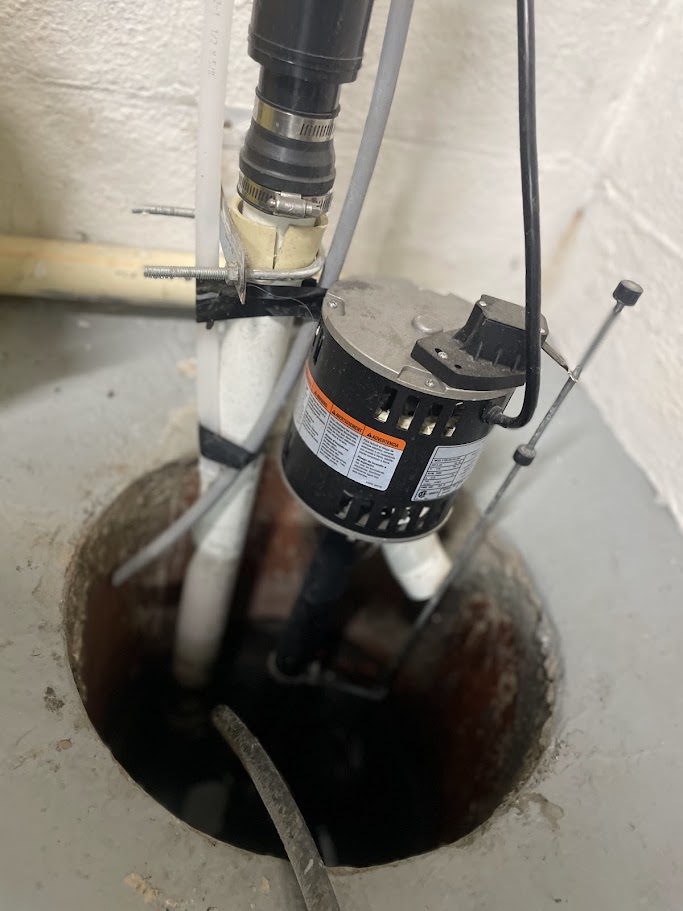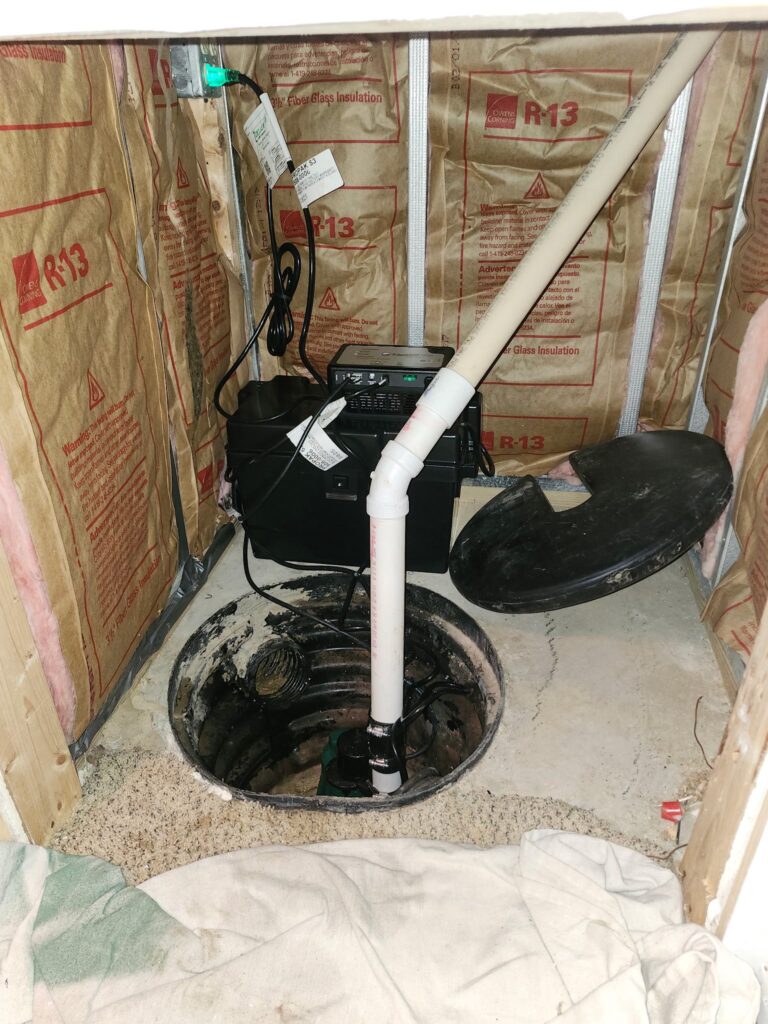
Summer in Ohio means one thing: storms. And when the rain comes hard and fast, your sump pump is the only thing standing between your basement and thousands of dollars in water damage. The problem is, most sump pumps sit untouched for months at a time — and by the time you realize something is wrong, it is already too late.
The good news is that sump pumps almost always give you warning signs before they fail. Here is what to watch for — and what to do if you spot any of them.
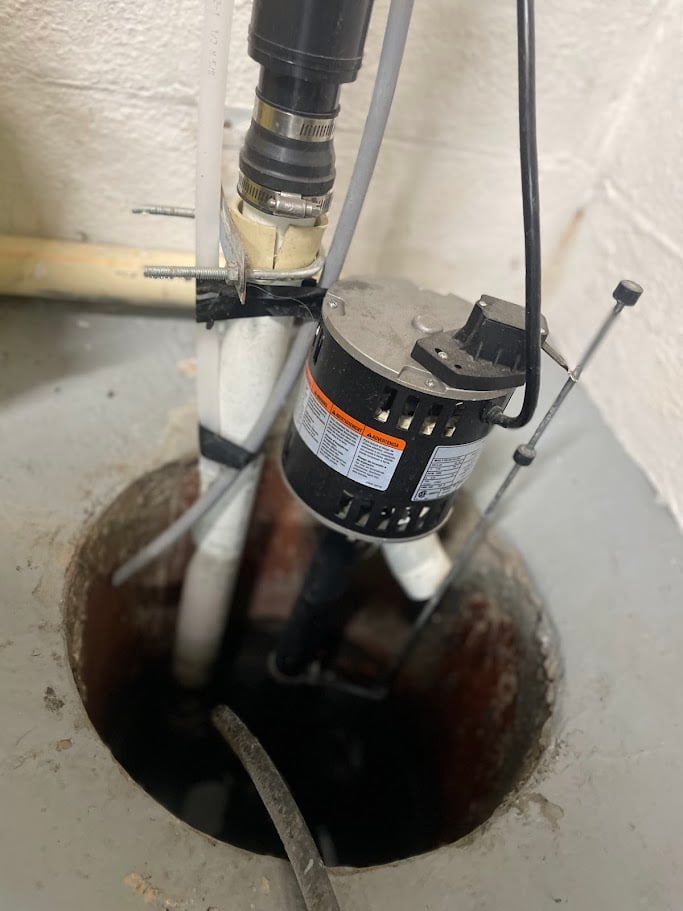
- IT RUNS CONSTANTLY, EVEN WHEN IT HAS NOT RAINED
A sump pump that runs nonstop is working way too hard. This usually means one of three things: the float switch is stuck in the “on” position, the pump is undersized for your property’s water volume, or there is a drainage problem pushing water back into the pit. Either way, a pump running 24/7 will burn out quickly. If yours has been running without a break, call a plumber before the next storm hits.
- IT MAKES STRANGE NOISES
Sump pumps are not silent, but they should hum smoothly and quietly. Rattling, grinding, or gurgling sounds point to worn or damaged components — often the impeller (the part that moves the water) or the motor bearings. These sounds do not get better on their own. A noisy pump is a pump in the early stages of failure.
- IT VIBRATES EXCESSIVELY
Some vibration is normal. Violent shaking is not. Hard shaking typically means debris has been sucked into the pump and has damaged the impeller. A bent or damaged impeller cannot move water efficiently, which means your pump may keep running but stop actually protecting your basement.
- IT IS MORE THAN 7 TO 10 YEARS OLD
The average sump pump lasts 7 to 10 years with normal use. If yours is in that range and you do not know the last time it was serviced — or if you bought a home and have no record of the pump’s age — have it inspected now, not after a flood. An aging pump that looks fine on the outside can fail without warning.
- IT HAS NOT BEEN TESTED RECENTLY
If you cannot remember the last time you poured water into the pit to test the float switch, there is a real chance you have no idea whether your pump will actually activate when you need it. Testing is simple and should be done every spring. If you test yours and the pump does not kick on, do not wait — that is a same-day call.
DO NOT WAIT FOR A FLOOD TO FIND OUT
Sump pump failure is one of the leading causes of basement flooding in Ohio — and most of it is preventable. If your pump is showing any of these signs, or if you simply have not had it looked at in a few years, now is the right time to get ahead of it.
Restoration Plumbing serves homeowners and businesses throughout the area. Call us at 937-883-6633 or visit www.restorationplumbingusa.com to schedule an inspection before storm season catches you off guard.