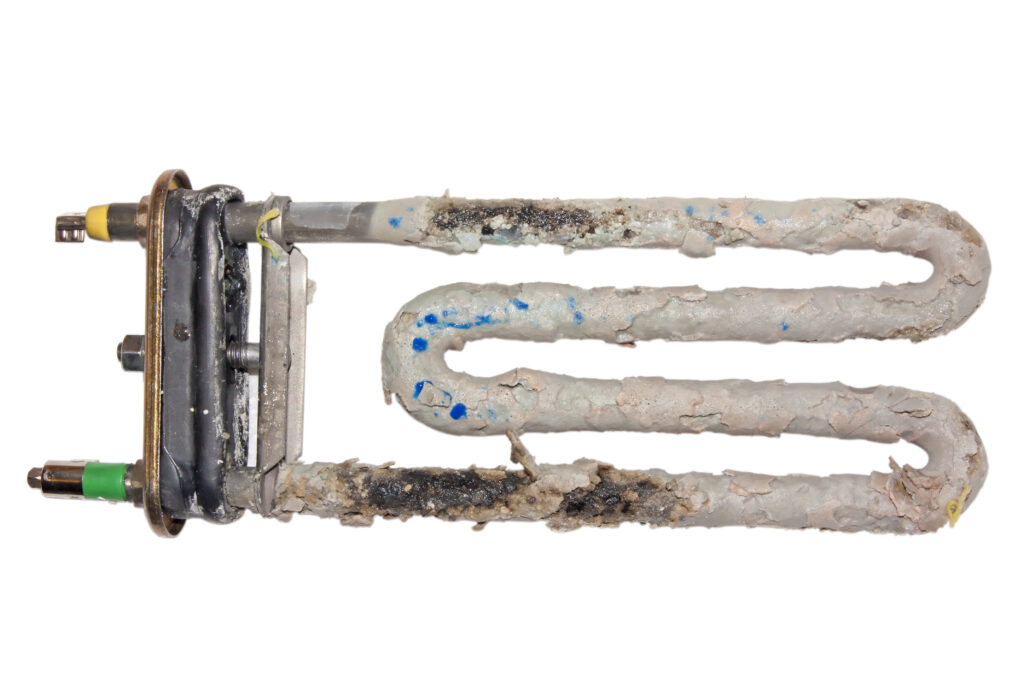

You heard it last night — a low rumble, a pop, maybe a sound like someone rolling gravel around inside your utility closet. You told yourself it was nothing. It wasn’t nothing.
That noise is sediment buildup, and it’s one of the most common — and most ignored — warning signs that your water heater is working overtime just to keep up. Left alone, it leads to higher energy bills, shorter equipment life, and eventually a failure that can leave you with no hot water and, in worst cases, water damage to your home.
The licensed master plumbers at Restoration Plumbing in Dayton, Ohio see this every week. Here’s what’s happening inside your tank, how to recognize it, and what to do before a minor annoyance becomes a major repair.
What Is Sediment Buildup, and Where Does It Come From?
Your water supply naturally contains dissolved minerals — primarily calcium and magnesium, which are the culprits behind what we call “hard water.” In the Dayton, Ohio area, hard water is a known reality. When cold water enters your water heater tank and gets heated, those minerals separate from the water and settle at the bottom of the tank as a gritty, sand-like sediment.
Over time — and especially in tanks that have never been flushed — that layer gets thicker. A thin coating of sediment is manageable. An inch or more of packed mineral crust sitting on top of your heating element is a serious problem.
Why Sediment Buildup Is Actively Damaging Your Water Heater
The damage happens on multiple fronts simultaneously:
- Overheating: The heating element sits beneath the sediment layer. It has to work through that insulating crust to heat the water above it. This causes the element to run hotter than it should, accelerating wear.
- Energy waste: A water heater working against sediment buildup can use 10–25% more energy to reach and maintain your set temperature. You’re paying for that on every utility bill.
- Reduced capacity: As sediment displaces water volume in the tank, you get less usable hot water per cycle. That’s why families who used to have plenty of hot water for back-to-back showers suddenly find it running cold.
- Tank corrosion and failure: Long-term overheating from sediment is one of the leading causes of tank failure. When a tank fails, it doesn’t just stop working — it can leak or rupture, flooding the surrounding area.
Warning Signs You Shouldn’t Ignore
Sediment buildup rarely announces itself loudly at first. It builds quietly. These are the signals most homeowners brush off until it’s too late:
- Rumbling, popping, or knocking sounds when the heater is running. This is steam bubbling up through the sediment layer — a sound you should treat as an alert, not background noise.
- Water that takes longer to heat up than it used to, or runs out faster than normal.
- Discolored or cloudy hot water. Rusty or brownish hot water — especially noticeable first thing in the morning — can indicate sediment disturbing or eroding the tank interior.
- A noticeable jump in your gas or electric bill without a change in usage or season.
- The unit is 6 or more years old and has never been flushed. At that point, sediment accumulation is almost certain.
What a Professional Tank Flush Actually Does
Flushing a water heater means draining the tank fully and clearing the accumulated sediment from the bottom. A professional flush also gives your plumber a chance to inspect the anode rod — the sacrificial metal rod inside the tank that prevents corrosion. Most homeowners have no idea this part exists until it’s failed and the tank itself begins to rust from the inside.
Annual flushing is the industry standard recommendation. In hard water areas like Dayton, Ohio, some homes benefit from flushing every six months. Done consistently, it can add years to the life of a unit that would otherwise need replacement ahead of schedule.
Note: DIY flushing is possible but carries risk. Older drain valves can fail during the process, and disturbing heavily compacted sediment without the right equipment can actually accelerate a problem rather than fix it. If your unit is more than five years old and has never been serviced, a professional assessment before flushing is the safer call.
When Flushing Isn’t Enough
In some cases, sediment damage has gone too far for a flush to reverse. If the tank itself is corroded, if the heating element has burned out due to chronic overheating, or if the unit is approaching or past its expected service life (typically 8–12 years for a standard tank water heater), repair or replacement may be the more cost-effective path.
The licensed master plumbers at Restoration Plumbing will give you a straight answer on that. There’s no benefit to us in recommending a replacement you don’t need — and no benefit to you in paying for a repair that only delays an inevitable failure.
The Cost of Waiting Is Always Higher Than the Cost of Acting
A sediment flush is a routine, relatively low-cost maintenance service. A failed water heater that floods a utility room, basement, or adjacent space is not. In those situations, you’re looking at both a plumbing replacement and water damage remediation — two separate restoration events with two separate costs.
If you’re hearing unusual sounds from your water heater, running out of hot water faster than you should be, or simply can’t remember the last time anyone looked at the unit, that’s a strong signal to get ahead of it.
Schedule Service with Restoration Plumbing
Restoration Plumbing is the dedicated plumbing division of RAM Holdings, serving residential and commercial customers throughout the Dayton, Ohio area. Our licensed master plumbers handle water heater maintenance, repair, and full replacement — all during standard business hours so you’re never paying emergency rates for service that can be planned.
Call us at 937-883-6633 or visit www.restorationplumbing.com to schedule a water heater inspection or flush.
If your water heater has already failed and caused water damage to your home or business, RAM Restoration — our 24/7 emergency restoration division — is available at 937-885-0088.