
Most water leaks do not announce themselves with a puddle on the floor. They hide inside walls, under slabs, and behind cabinets — dripping quietly for weeks or months while they damage your structure, feed mold growth, and drive up your water bill. By the time many property owners discover a hidden leak, the repair bill has grown well beyond what the plumbing fix alone would have cost. Here is how to spot the signs early.
YOUR WATER BILL HAS GONE UP FOR NO OBVIOUS REASON
This is the most common — and most ignored — warning sign. If your water usage habits have not changed but your bill has climbed, water is going somewhere. Even a small, slow leak can waste thousands of gallons over the course of a month. Pull up your last three to four bills and compare. If you see consistent increases with no explanation, a hidden leak is one of the first things to rule out.
For businesses, unexplained spikes in water costs are worth taking seriously. A leak in a commercial building can be running continuously through the workweek and weekends with no one around to notice.
YOU HEAR WATER RUNNING WHEN NOTHING IS ON
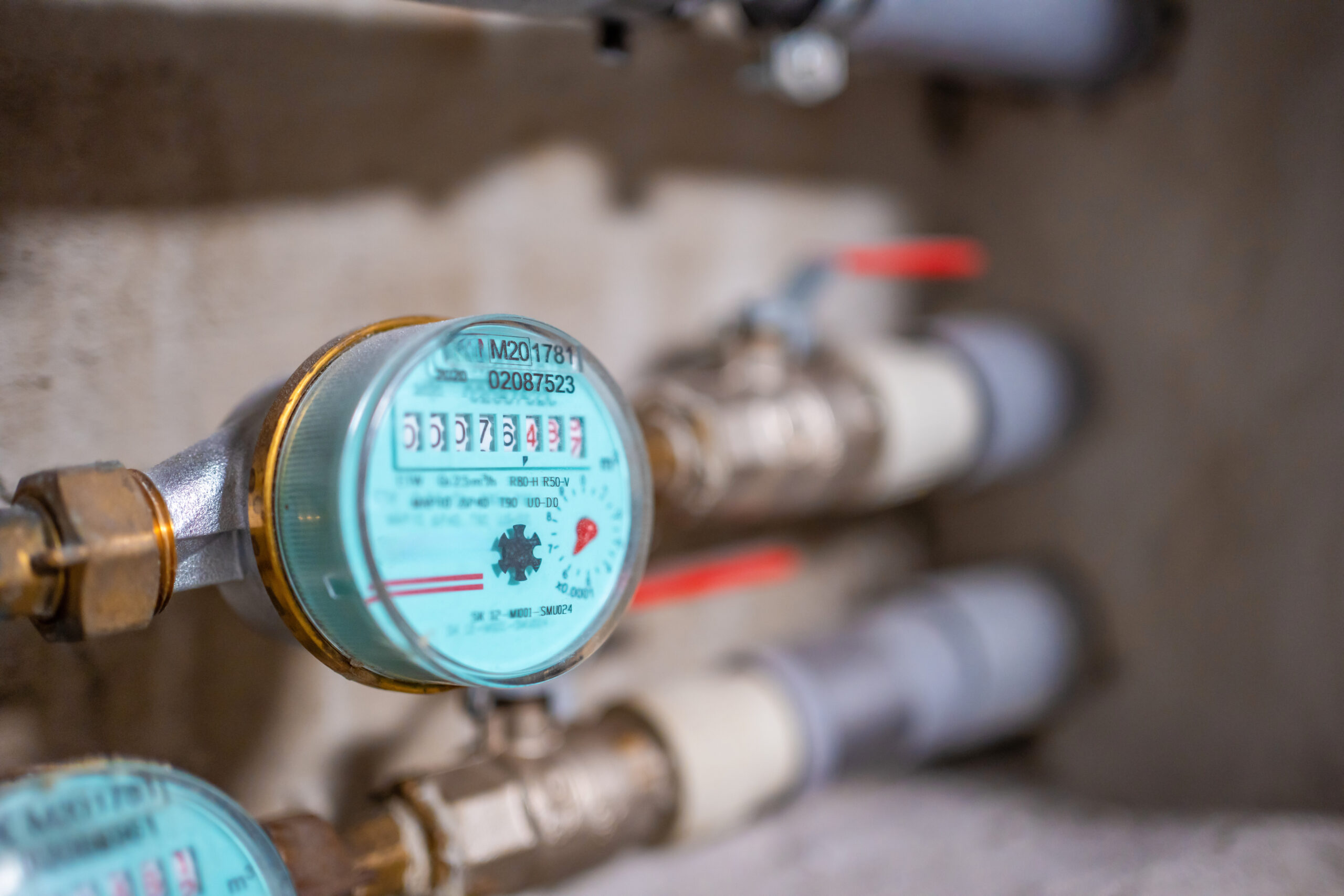
Turn off every faucet, appliance, and fixture in your home or building. Then listen. If you can hear water moving through your pipes — a faint rushing, dripping, or hissing sound — there is a very good chance water is flowing somewhere it should not be. You can also check your water meter: shut off the main supply, note the reading, wait 30 minutes without using any water, and check it again. If the number has changed, you have a leak.
WALLS, FLOORS, OR CEILINGS LOOK WRONG
Hidden leaks leave clues in your surfaces. Watch for:
- Walls or ceilings with soft spots, bubbling paint, or staining that looks like a watermark
- Flooring that has started to warp, buckle, or feel soft underfoot — especially in bathrooms or kitchens
- Discoloration or staining on drywall or ceiling tiles, even if you cannot feel moisture
- Baseboard or trim that is separating, swelling, or showing signs of warping near walls
Any of these changes in areas near plumbing — bathrooms, kitchens, laundry rooms, mechanical spaces — should prompt a closer look.
YOU SMELL MOLD OR MILDEW WITHOUT A CLEAR SOURCE
Mold needs moisture to grow. If you are noticing a musty smell in a room where there is no obvious humidity source — no recent flooding, no wet towels — it is worth investigating whether a leak behind a wall or under a floor is creating the conditions for mold to develop. Left alone, hidden moisture and mold can spread through wall cavities and subfloor materials quickly, and remediation becomes a much larger project than fixing a pipe.
YOUR YARD HAS WET SPOTS THAT DO NOT DRY OUT
Outdoor leaks are just as costly and just as easy to miss. If you notice patches of your yard that stay soggy long after rain, or areas of unusually lush green grass compared to the rest of your lawn, it could indicate a leak in your underground water line or sewer line. This type of leak can erode soil, damage your foundation over time, and waste enormous amounts of water without ever showing up inside your home.
WHAT TO DO IF YOU SUSPECT A LEAK
Do not wait to see if it gets worse. The cost of repairing water damage — drywall, flooring, insulation, potential mold remediation — almost always dwarfs the cost of finding and fixing the leak early. A plumber can use leak detection tools to locate the source without tearing open walls unnecessarily.
If you are seeing any of these signs, call Restoration Plumbing at 937-883-6633 or visit www.restorationplumbingusa.com. The sooner a hidden leak is found, the less damage it does.